Perimenopause Inflammation: Causes, Symptoms, and How to Manage It
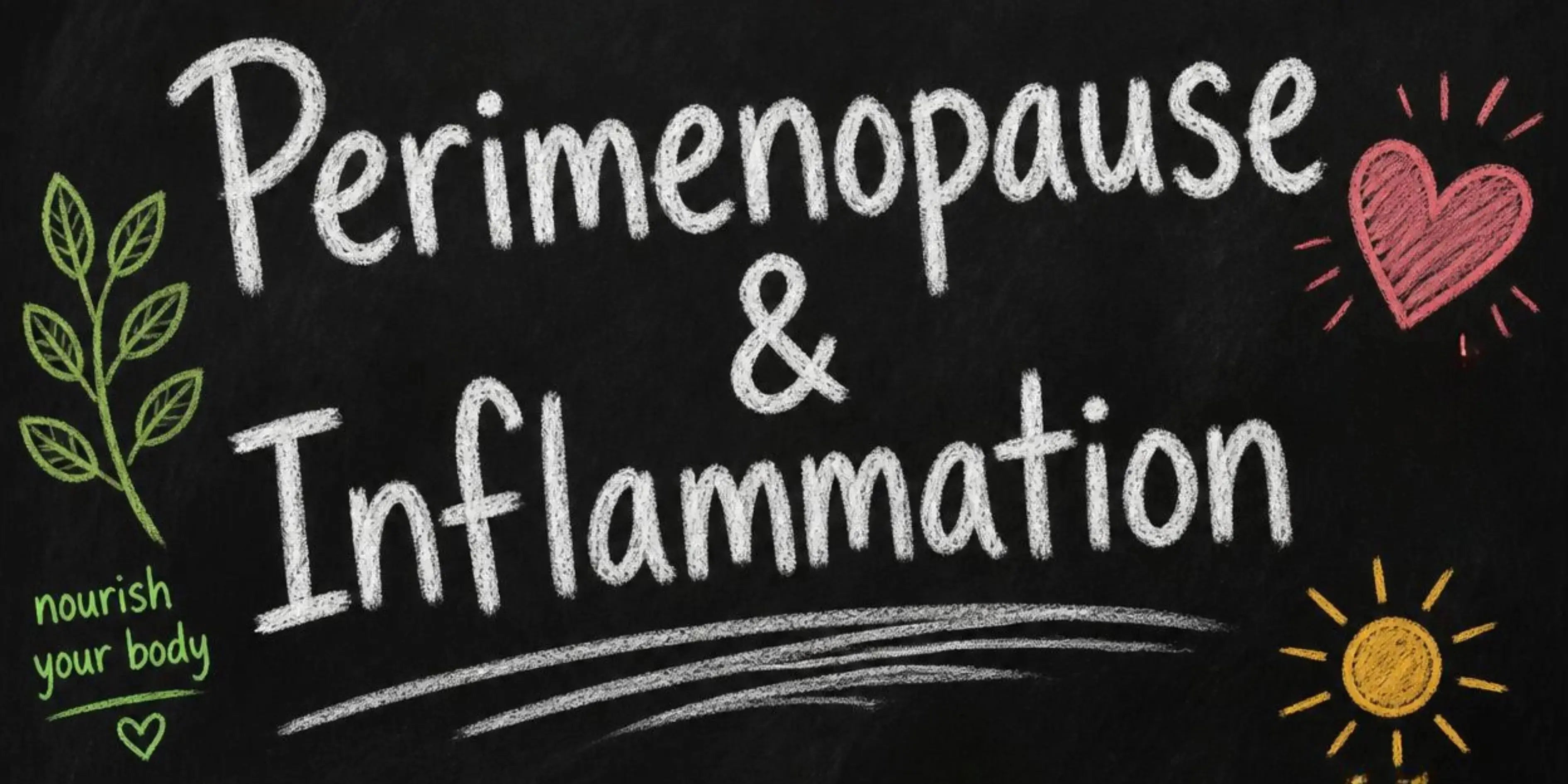
Inflammation rises during perimenopause because declining and fluctuating oestrogen reduces one of the body's natural anti-inflammatory controls, leading to measurable increases in inflammatory markers like CRP and IL-6. This is one of the most under-discussed parts of the perimenopause transition, and it explains why so many of the symptoms attributed to "just hormones" are, more precisely, an inflammatory response to hormone change.
The Oestrogen-Inflammation Connection
Oestrogen is not only a reproductive hormone. It plays a direct regulatory role in the immune system, helping to keep inflammatory signalling in check. As oestrogen levels begin to fluctuate and decline through perimenopause, this regulatory effect weakens.
Research has consistently linked the perimenopausal transition to rising levels of:
- C-reactive protein (CRP), a general marker of systemic inflammation
- Interleukin-6 (IL-6), a signalling molecule involved in the inflammatory cascade
- TNF-alpha, associated with joint and tissue inflammation
This is not a steady decline. Because oestrogen fluctuates unpredictably during perimenopause rather than dropping in a straight line, inflammatory symptoms can flare and ease in a way that feels confusing and inconsistent, which is itself a hallmark of this phase.
Common Perimenopause Symptoms That May Be Linked to Inflammation
Several symptoms grouped under "perimenopause" have a plausible inflammatory component, though the strength of evidence varies and inflammation is rarely the sole cause. Research points to some association between rising inflammatory markers and:
- Joint aches and stiffness, sometimes new and unrelated to injury, one of the more consistently studied links
- Sleep disruption, where inflammatory signalling is thought to interact with normal sleep architecture, though sleep is also directly affected by hormone changes independent of inflammation
- Skin changes, including increased sensitivity or breakouts, with a less established but plausible inflammatory contribution
- Weight redistribution, particularly increased visceral fat, which is itself inflammatory tissue and can create a feedback loop rather than a one-way cause
- Brain fog, where neuroinflammation is one proposed mechanism among several, alongside oestrogen's direct effects on cognition
- Increased recovery time after exercise
These associations are worth knowing, but none of them should be read as inflammation being confirmed as the direct or only cause. Most of these symptoms are multi-causal, with hormonal, inflammatory, and lifestyle factors overlapping in ways that are still being researched.
What Age Does Perimenopause Usually Start?
Perimenopause typically starts in the early-to-mid 40s, though it can begin as early as the mid-30s for some women. It usually lasts four to eight years before periods stop completely and menopause is reached. Because inflammatory markers begin rising early in this window, symptoms can show up well before periods become noticeably irregular, which is why many women feel unwell for a year or more before recognising what is actually happening.
What Is the Difference Between Perimenopause and Menopause?
Perimenopause is the transition phase leading up to menopause, marked by fluctuating hormone levels and irregular periods. Menopause is a single point in time, officially reached after twelve consecutive months without a period. Most of the inflammatory and symptom load associated with "menopause" in everyday conversation actually happens during perimenopause, while hormones are fluctuating rather than after they have settled at a lower, stable level.
Can Perimenopause Cause Anxiety, Rage, or Mood Swings?
Yes, and inflammation is thought to be one contributing factor, though not the only one. Inflammatory cytokines like IL-6 can influence neurotransmitter regulation in the brain, and some researchers believe this plays a role in the mood changes reported in perimenopause, including increased anxiety, irritability, and anger. Hormonal fluctuation itself is a separate and well-established driver of mood symptoms in this window, so inflammation is best understood as a possible additional factor rather than the primary explanation. This is still an area of active research rather than settled science.
What the Research Shows
Longitudinal studies following women through the menopausal transition, including cohort data referenced in Australian menopause research and clinical guidance, show inflammatory markers rising in the years directly around the final menstrual period, often before other perimenopause symptoms are recognised or diagnosed. This has led some researchers to describe perimenopause as a period of accelerated immunological ageing, distinct from chronological ageing alone.
(Note for review: confirm and cite the specific AU cohort study or Jean Hailes Foundation data before publishing, as this section should reference a verifiable source.)
This matters because it reframes perimenopause not as something to simply wait out, but as a window where inflammatory load can be actively managed, with meaningful downstream impact on long-term cardiovascular and metabolic health, both of which are closely tied to chronic inflammation.
Diet and Lifestyle Levers That Help
- Stabilising blood sugar through protein at each meal reduces the glucose volatility that compounds inflammatory signalling
- Strength training two to three times a week helps offset the loss of oestrogen's protective effect on muscle and metabolic tissue
- Omega-3 rich foods (oily fish, walnuts, flaxseed) support the body's inflammation-resolving pathways
- Consistent sleep timing, even when sleep quality is disrupted, helps regulate the inflammatory rhythm tied to cortisol
- Reducing alcohol, which independently raises inflammatory markers and can amplify perimenopausal symptoms
Rebuilding What Oestrogen Used to Do for You
Oestrogen was quietly doing a job most women never think about until it starts slipping, keeping the immune system's inflammatory response in check. When that regulation fades, the body doesn't just need "less inflammation." It needs something picking up part of the job oestrogen was doing.
This is a different way to think about supplementation in perimenopause than the usual "take this for that symptom" approach. Curcumin works on the inflammatory pathways oestrogen used to help regulate. Ingredients that support the gut barrier matter more here too, since a weaker gut lining lets more inflammatory triggers through at exactly the point the immune system is already less controlled. And the timing question matters as much as the ingredient: perimenopause is a multi-year transition, not a six-week symptom to fix, so this is one of the few areas where slow, sustained supplementation genuinely outperforms anything marketed as fast-acting.
STMNA's approach to inflammation was built around this kind of sustained, whole-system support rather than symptom-chasing, which is part of why it translates well to a perimenopause context. That said, inflammation in perimenopause isn't quite the same as general age-related inflammation. It's happening against a backdrop of shifting hormones, so what the body needs support with can change from month to month rather than following a steady, predictable curve. Worth keeping in mind when thinking about how any inflammation-focused approach, including this one, actually fits into that window.
Frequently Asked Questions
Why does perimenopause cause inflammation?
Oestrogen normally helps regulate the immune system and keep inflammatory signalling in check. As oestrogen fluctuates and declines during perimenopause, this regulatory effect weakens, leading to increases in inflammatory markers like CRP and IL-6.
What are the signs that perimenopause symptoms are inflammatory?
Joint stiffness, disrupted sleep, skin changes, increased recovery time after exercise, and brain fog are all associated with rising inflammatory markers during perimenopause, though hormonal changes also directly contribute to most of these, and inflammation should be understood as one factor among several rather than the sole cause.
Does inflammation during perimenopause go away on its own?
Inflammatory markers tend to remain elevated through the perimenopausal transition and into early postmenopause rather than resolving on their own, which is why proactive diet, lifestyle, and targeted supplementation are more effective than waiting it out.
What helps reduce inflammation during perimenopause?
Stabilising blood sugar with protein-rich meals, regular strength training, omega-3 intake, consistent sleep timing, and reducing alcohol are the most evidence-supported lifestyle levers, alongside targeted bioactives such as curcumin for ongoing support.
Is perimenopausal inflammation linked to long-term health risk?
Yes, sustained inflammation during the perimenopausal transition is associated with increased long-term cardiovascular and metabolic risk, which is why researchers increasingly view this window as an important point for proactive management.