What Is Cellular Health? (And Why It Matters More Than Ever)
What Is Cellular Health? (And Why It Matters More Than Ever)
Cellular health refers to how well the trillions of cells in your body can produce energy, repair damage, and clear out waste over time. It is the foundation underneath almost every other health marker, from energy levels to your skin condition to how well your body recovers from stress, because every one of those outcomes ultimately comes down to how your cells are functioning at a basic level.
It is also a term that gets used loosely in the supplement industry, often without explaining what it actually means. This post breaks down what cellular health really is, why modern life puts more pressure on it than in previous generations, and what genuinely supports it.
What Does "Cellular Health" Actually Mean?
At a practical level, cellular health comes down to three interconnected processes:
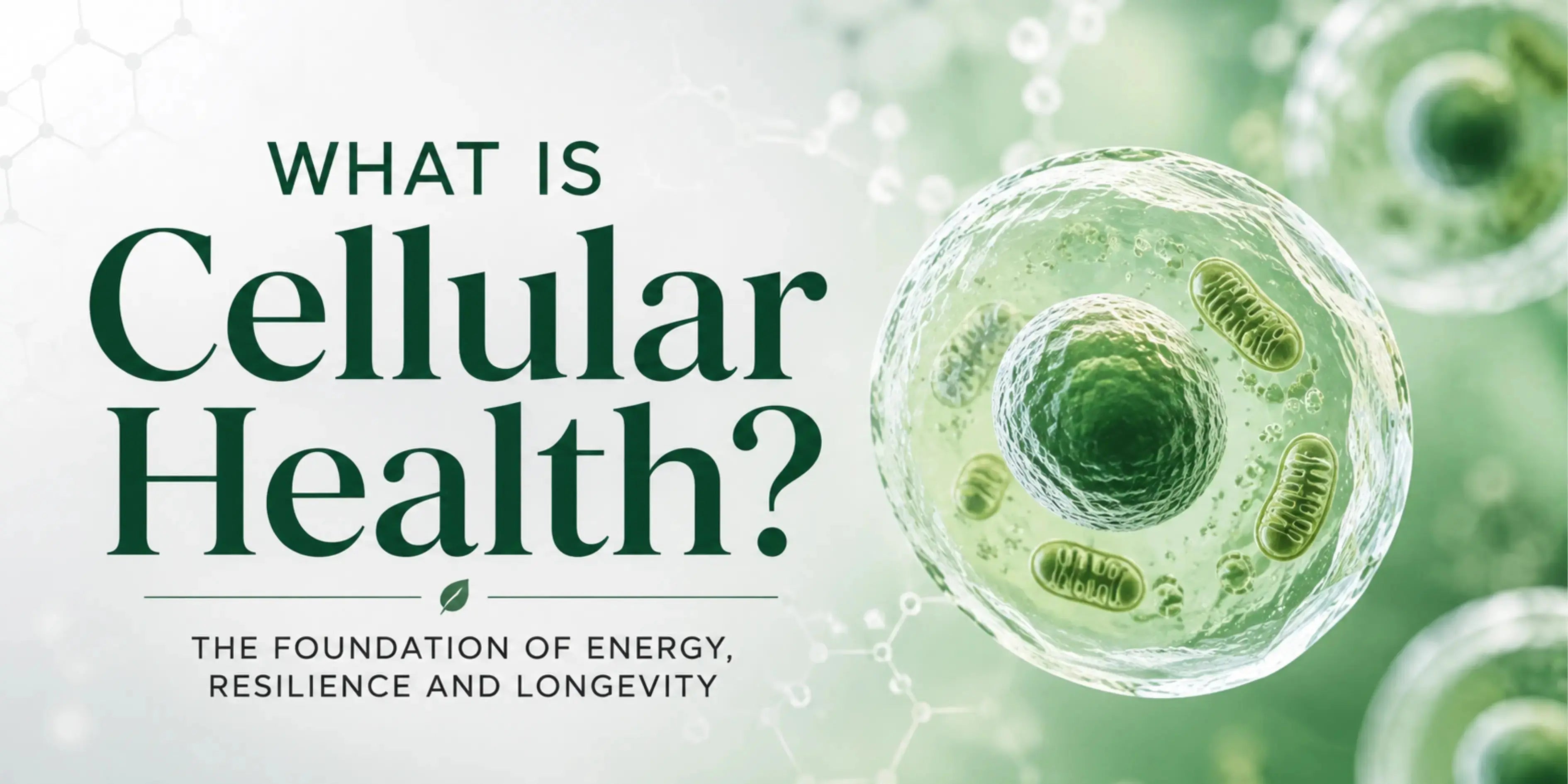
- Energy production, largely happening in mitochondria, the structures inside cells that convert nutrients into usable energy
- Repair and maintenance, including how well cells fix DNA damage and replace worn-out components
- Cellular cleanup (autophagy), the process by which cells clear out damaged proteins and dysfunctional parts rather than letting them accumulate
When these three processes are working well, you generally feel it as steady energy, decent recovery, and a body that handles stress without falling apart. When they start to falter, the effects tend to show up gradually rather than all at once, which is part of why cellular health is easy to overlook until symptoms are already noticeable.
The Role of Mitochondria in Cellular Energy
Mitochondria are often called the powerhouse of the cell, and while that description is a little overused, it is functionally accurate. They convert the food you eat and oxygen you breathe into ATP, the molecule your cells actually run on.
Mitochondrial function is not fixed. It naturally declines with age, but it is also directly affected by lifestyle factors including sleep quality, activity levels, and diet. This is one of the more actionable parts of cellular health, because mitochondrial density and efficiency can genuinely be improved through consistent habits, particularly exercise, rather than being something you are simply stuck with.
What Damages Cells Over Time
A few processes are consistently linked to accelerated cellular ageing and dysfunction:
- Oxidative stress, an imbalance between damaging free radicals and the antioxidants that neutralise them, which can damage cell membranes, proteins, and DNA over time
- Chronic low-grade inflammation, which keeps cells in a reactive state and diverts resources away from normal repair processes
- Glycation, where excess sugar molecules bind to proteins and interfere with their normal function, a process accelerated by high blood sugar volatility
- Reduced autophagy efficiency, meaning damaged cellular components accumulate rather than being cleared, a pattern associated with ageing
These processes overlap and compound each other rather than acting in isolation, which is part of why addressing cellular health tends to work better as a broad, sustained approach rather than targeting one mechanism alone.
Why Cellular Health Matters More Than Ever
Modern life places a distinct set of pressures on cellular health that previous generations dealt with less intensely:
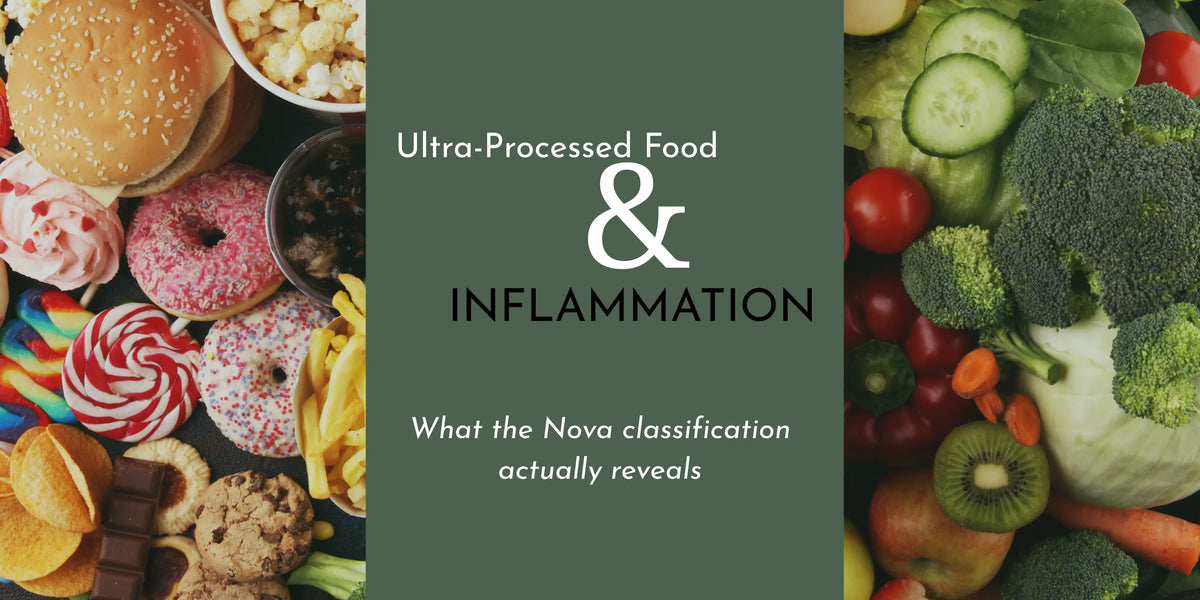
- Higher ultra-processed food intake, associated with more oxidative stress and inflammatory load than whole-food diets
- Chronic low-level stress, which keeps cortisol elevated more consistently than the acute stress our physiology evolved to handle
- More sedentary time, reducing the exercise-driven signals that support mitochondrial health
- Disrupted sleep, during which a significant amount of cellular repair and clearance work actually happens
- Increased environmental toxin exposure, from air quality to plastics, which adds to the oxidative burden cells have to manage
None of these individually is new, but the combination and consistency of them in modern daily life is what has shifted, and it is a meaningful part of why cellular health has become a more prominent focus in longevity research over the past decade.
Signs Your Cellular Health May Need Support
There is no single test that captures overall cellular health, but a cluster of common signs is worth paying attention to:
- Energy that dips noticeably by early afternoon regardless of sleep
- Slower recovery after exercise or illness than you would expect
- Skin that looks duller or ages more visibly under stress
- Difficulty concentrating that improves with rest but returns quickly
- Feeling like your body is not bouncing back the way it used to
None of these are diagnostic on their own, and all of them have other possible causes. They are useful as a pattern to notice, not a checklist for self-diagnosis.
Diet and Lifestyle Levers That Support Cellular Health
- Resistance and aerobic exercise, which directly stimulates mitochondrial biogenesis, the process of building new, more efficient mitochondria
- Adequate protein intake, supplying the amino acids cells need for repair and maintenance
- Colourful, antioxidant-rich produce, which helps offset oxidative stress at the source
- Consistent, adequate sleep, since a meaningful portion of cellular repair work is concentrated during deep sleep
- Time-restricted eating windows, which some research links to improved autophagy, though evidence in humans is still developing compared to animal studies
The Ingredient List Problem in Cellular Health
Walk down a supplement aisle and half the products claim to support "cellular health" without saying which of these damage drivers they're actually working against. That's the real issue with most of this category. Oxidative stress, inflammation, and hormonal disruption wear cells down through different mechanisms, and a compound that helps one doesn't automatically help the others.
STMNA's approach is to name the specific target rather than bundle everything under one vague claim. Healthspan is built around three:
- The immune system, through anti-inflammatories like curcumin and boswellia, which help calm the chronic low-grade inflammation that keeps cells in a reactive state and diverts resources away from repair
- DNA damage, through antioxidants like resveratrol and grape seed extract, which help neutralise the oxidative stress that damages cell membranes, proteins, and DNA over time
- Hormonal signalling, through adaptogens like ashwagandha, which support the body's stress response system rather than working on the cell directly
Three different mechanisms, three different damage pathways. If a cellular health product can't tell you which of these it's actually working on, that's usually worth asking about before you buy it, ours included.
Shop Healthspan Here.
Frequently Asked Questions
What does cellular health actually mean? Cellular health refers to how effectively your cells produce energy, repair damage, and clear out dysfunctional components. It underlies most other health markers, including energy, recovery, and how the body handles stress over time.
What is the biggest factor in cellular health? There is no single biggest factor. Mitochondrial function, oxidative stress levels, inflammation, and autophagy efficiency all interact, and lifestyle factors like exercise, sleep, and diet influence all four simultaneously rather than just one.
Can you improve cellular health, or does it only decline with age? Cellular health naturally declines with age, but it is also directly responsive to lifestyle change. Exercise in particular has been shown to improve mitochondrial density and efficiency at any age, meaning decline is not simply fixed or inevitable.
Do supplements actually help cellular health? Some bioactives are well studied for supporting specific processes involved in cellular health, such as managing oxidative stress, but no supplement replaces the fundamentals of sleep, exercise, and diet, and claims suggesting otherwise should be treated with scepticism.
How is cellular health different from general health? General health markers like weight or blood pressure are downstream indicators. Cellular health is more foundational, referring to the underlying processes inside cells that ultimately influence those broader markers over time.